Common Misconceptions About Muay Thai: Debunking Myths


Understanding Muay Thai
Muay Thai, often referred to as the "Art of Eight Limbs," is a combat sport from Thailand that utilizes punches, kicks, elbows, and knee strikes. Despite its growing popularity, there are several misconceptions that cloud the true nature of this martial art. Let's debunk some common myths about Muay Thai and explore the reality behind them.

Myth 1: Muay Thai is Just About Violence
A prevalent misconception is that Muay Thai is purely violent and aggressive. In reality, Muay Thai is a disciplined martial art that emphasizes respect, tradition, and self-control. Practitioners are taught to honor their opponents and the sport itself, fostering a sense of community and sportsmanship.
The practice of Muay Thai goes beyond physical training. It involves mental discipline, strategic thinking, and a deep understanding of body mechanics. For many, it is a way to achieve personal growth and build mental resilience.
Myth 2: Muay Thai is Only for the Young and Fit
Another common myth is that Muay Thai is suitable only for young, athletic individuals. This is far from the truth. People of all ages and fitness levels can practice Muay Thai. Many gyms offer beginner classes that focus on building strength, flexibility, and stamina gradually.
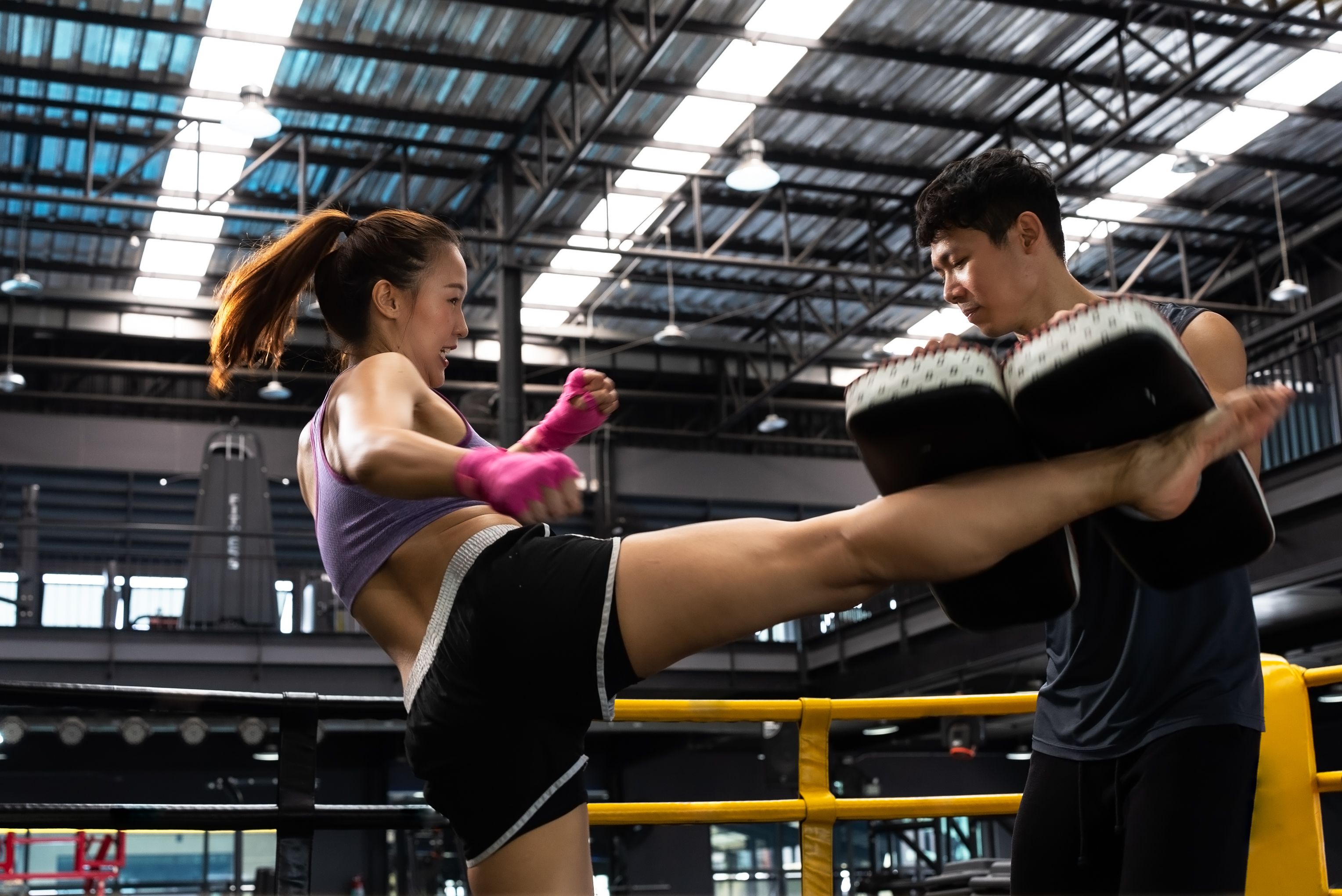
The inclusive nature of Muay Thai allows individuals to progress at their own pace, making it an excellent choice for anyone looking to improve their fitness and learn self-defense skills.
Myth 3: Muay Thai is Ineffective for Self-Defense
Some may believe that Muay Thai is not practical for self-defense due to its sport-oriented nature. However, the techniques taught in Muay Thai are highly effective in real-life situations. Its emphasis on powerful strikes and defensive maneuvers makes it a valuable skill for self-protection.
- Utilizes all parts of the body for defense and attack.
- Teaches strategic movement and positioning.
- Builds confidence in handling confrontations.
Myth 4: Muay Thai is Similar to Other Martial Arts
While Muay Thai shares some similarities with other martial arts, it is unique in its approach and techniques. The use of elbows and knees as primary weapons sets it apart from other striking arts. Additionally, Muay Thai's clinch work and conditioning are distinctive aspects that contribute to its effectiveness.
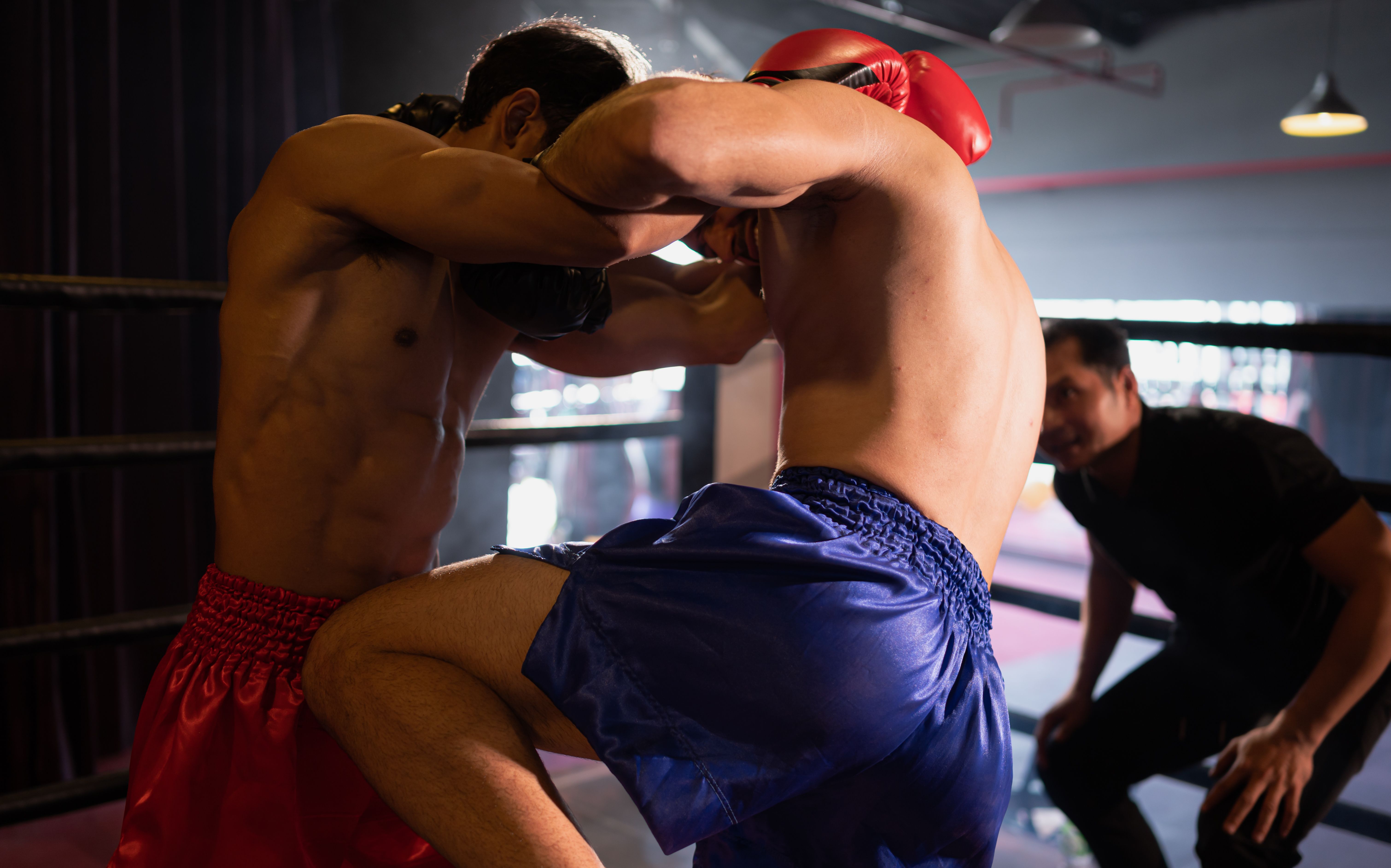
Understanding these differences helps practitioners appreciate the depth and richness of Muay Thai as a martial art.
Conclusion
Muay Thai is more than just a combat sport; it is a way of life that promotes discipline, respect, and personal growth. By debunking these myths, we can better appreciate the true essence of Muay Thai and its benefits for individuals of all backgrounds and abilities. Whether you're looking to improve your fitness, learn self-defense, or immerse yourself in a rich cultural tradition, Muay Thai offers a fulfilling path for everyone.