Expert Tips for Mastering Muay Thai Techniques


Understanding the Basics of Muay Thai
Muay Thai, often referred to as the "Art of Eight Limbs," is a martial art that utilizes punches, kicks, elbows, and knee strikes. Mastering its techniques requires dedication and practice. Whether you're a beginner or looking to refine your skills, understanding the fundamentals is crucial.

Footwork and Balance
Footwork is the foundation of any effective Muay Thai technique. Maintaining a strong balance allows you to execute strikes with precision and evade incoming attacks. Practice shifting weight between feet and staying light on your toes.
Developing a good stance involves keeping your feet shoulder-width apart and slightly bent knees. This position enhances your stability and readiness to strike or defend at any moment.
Perfecting Strikes and Combinations
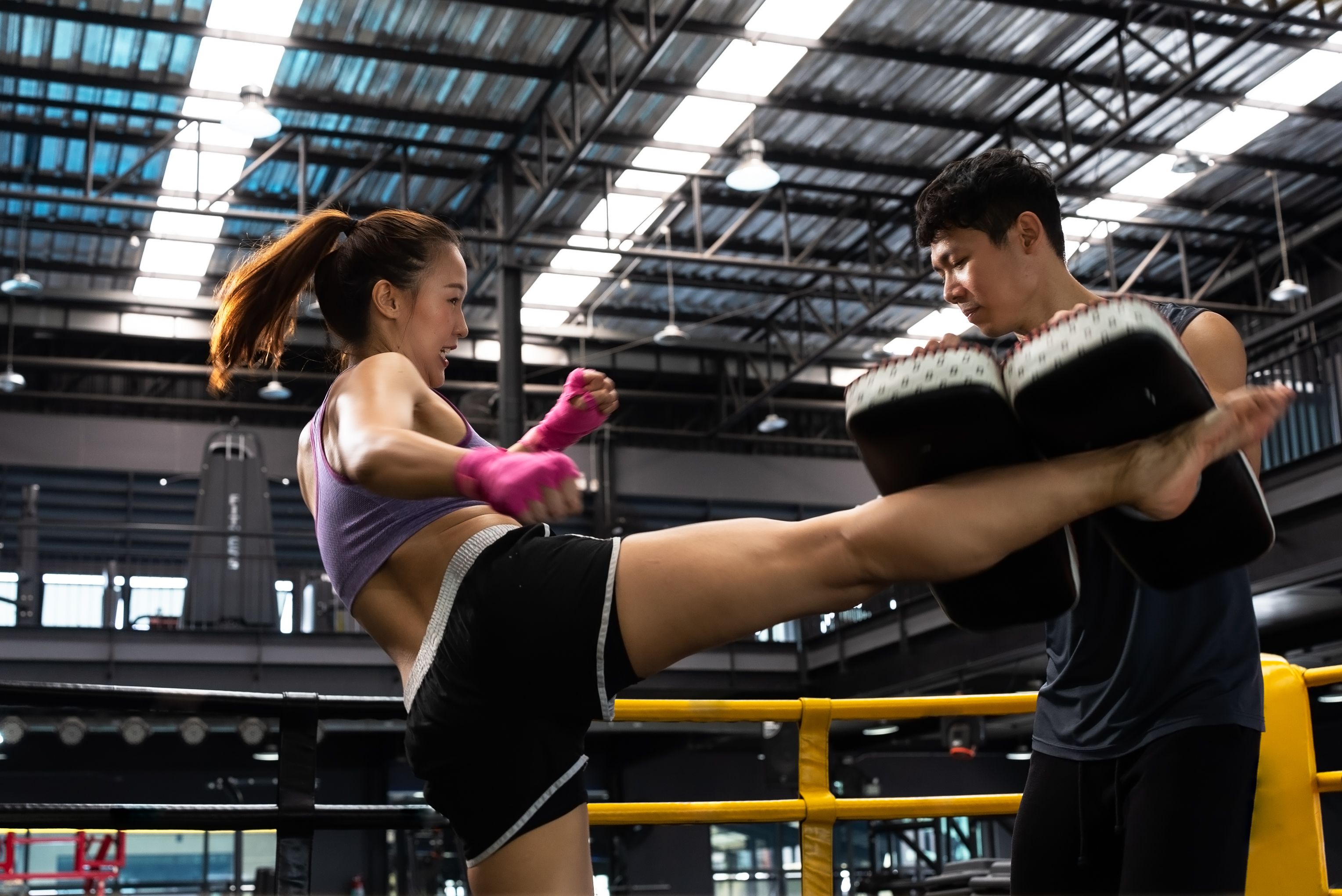
Once you've established solid footwork, focus on perfecting your strikes. Each technique—whether it's a jab, cross, or roundhouse kick—requires correct form to maximize power and minimize injury risk. Practice these strikes repeatedly to build muscle memory.

Combining Techniques
Combining different strikes into fluid combinations is key to overwhelming your opponent. Start with simple combinations and gradually increase complexity as you become more comfortable. For example, a jab-cross-kick combination can be very effective.
Ensure that each strike flows naturally into the next, maintaining balance and control throughout. This seamless transition between techniques is what sets advanced practitioners apart.
Defense and Counterattacks
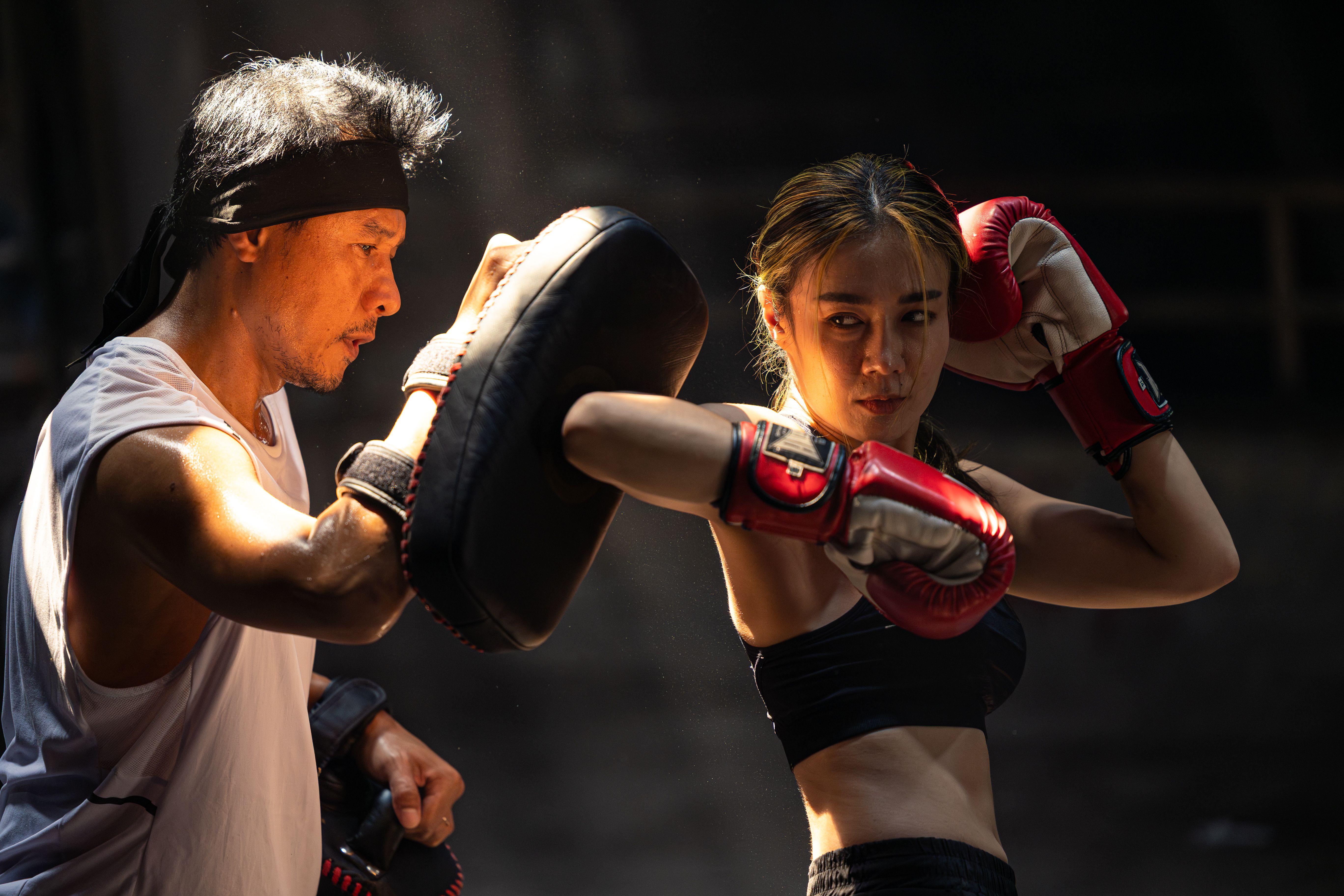
Defense is as important as offense in Muay Thai. Learning to block, parry, and evade strikes will keep you safe and create opportunities for counterattacks. Focus on timing and anticipation.
Reading Your Opponent
Understanding your opponent's movements and intentions is a valuable skill. By observing subtle cues, you can predict their next move and prepare your response. This foresight allows for effective counterattacks and strategic planning.
Practice these defensive techniques with a partner to simulate real sparring situations. Realistic training will improve your reflexes and decision-making under pressure.
Conditioning and Endurance
Physical conditioning is critical in Muay Thai. Regularly engage in cardiovascular exercises, strength training, and flexibility routines. These activities enhance your endurance and power, enabling you to sustain high-intensity bouts.
Incorporate skipping rope, running, and shadowboxing into your training regimen. These exercises boost your stamina and improve your agility, crucial for both offensive and defensive maneuvers.
Mental Fortitude
Beyond physical prowess, Muay Thai demands mental toughness. Cultivate resilience and focus through meditation and mindfulness practices. Staying calm and composed, even when under pressure, can significantly impact your performance.
Remember, mastering Muay Thai is a journey. Consistent practice, dedication, and a willingness to learn will lead you to success. Embrace the challenges and enjoy the growth process.